Holiday home for 32 people in Anhée Le Moulin des Jardins d’Annevoie
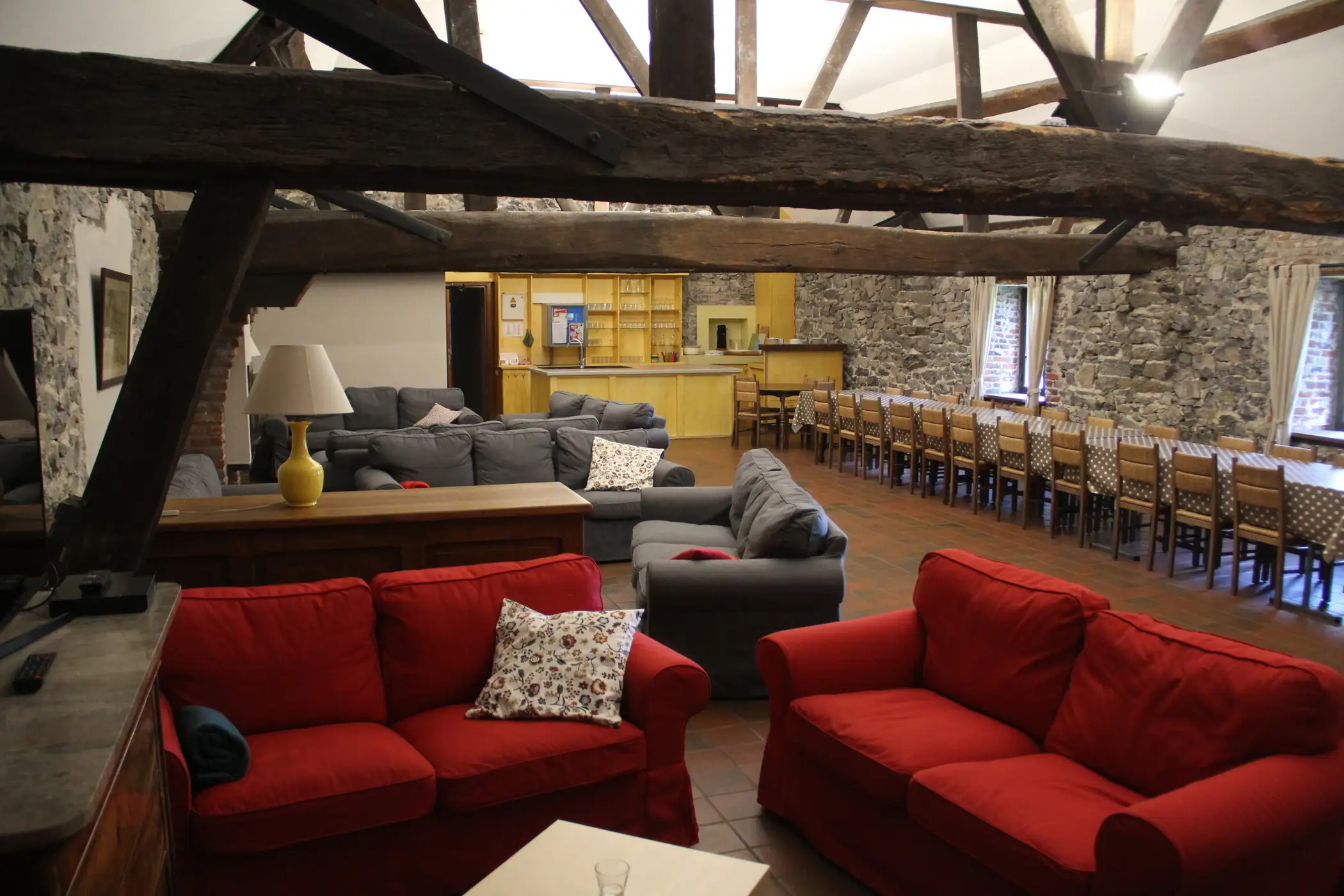
Rural holiday home
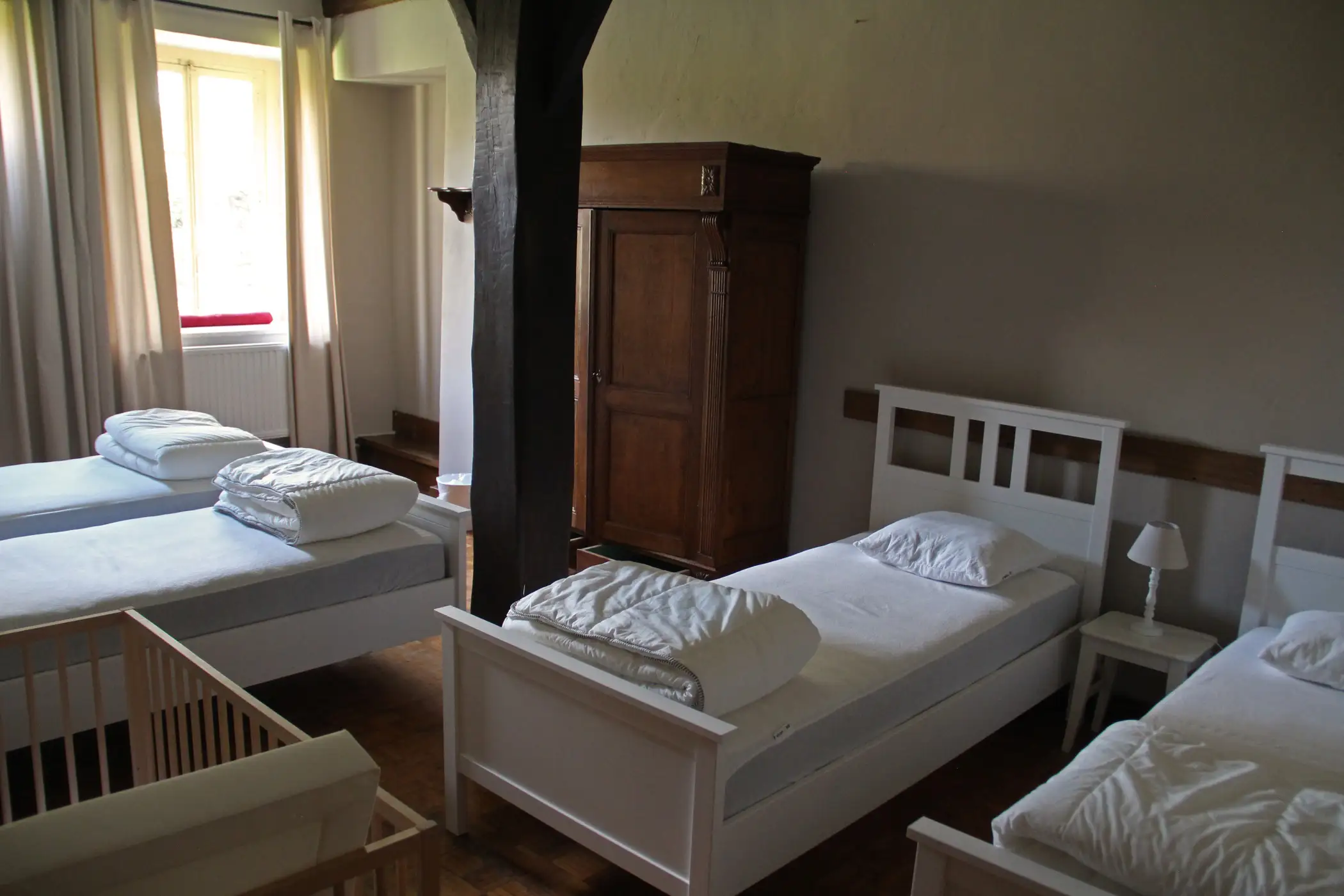
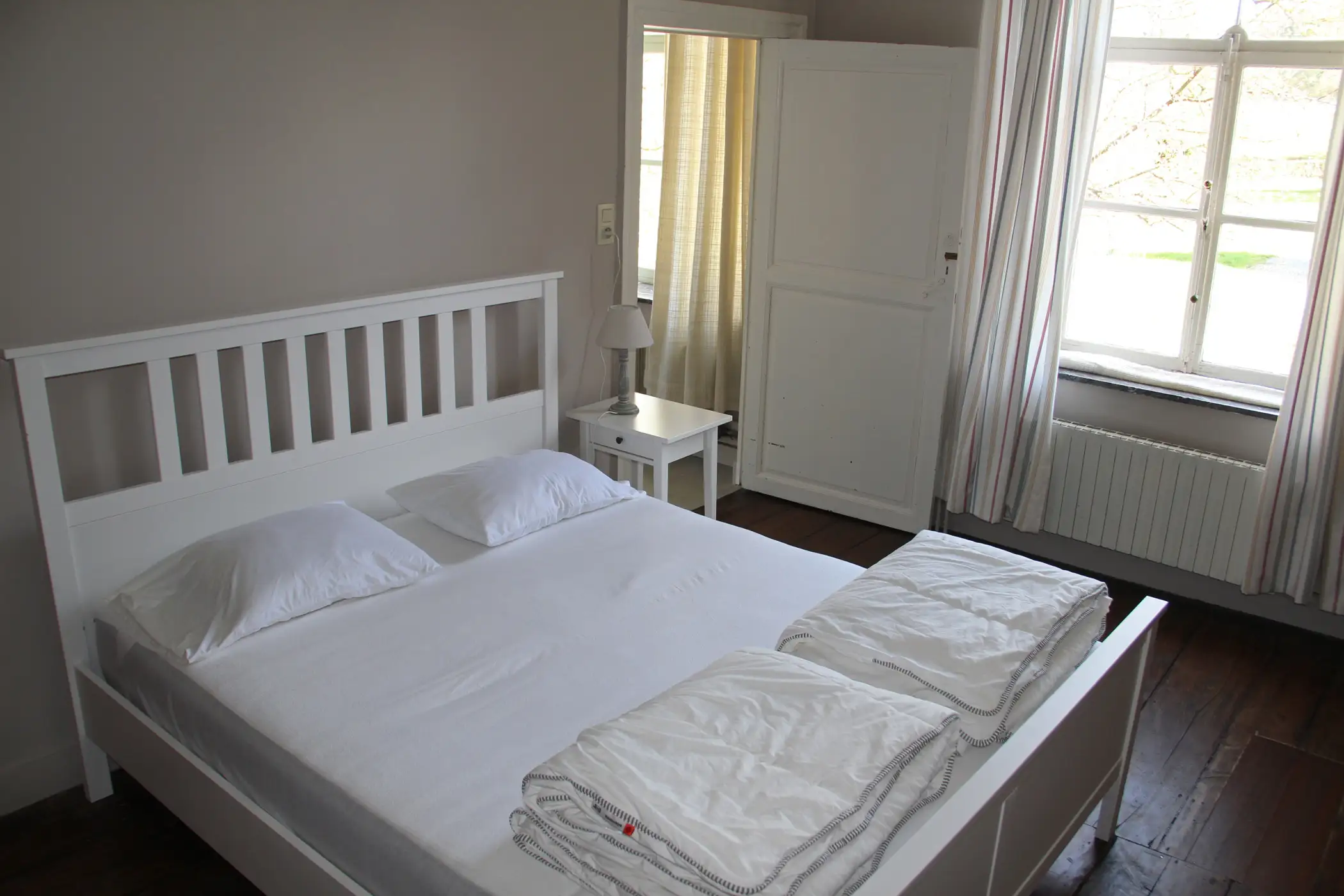
11 rooms
32 people
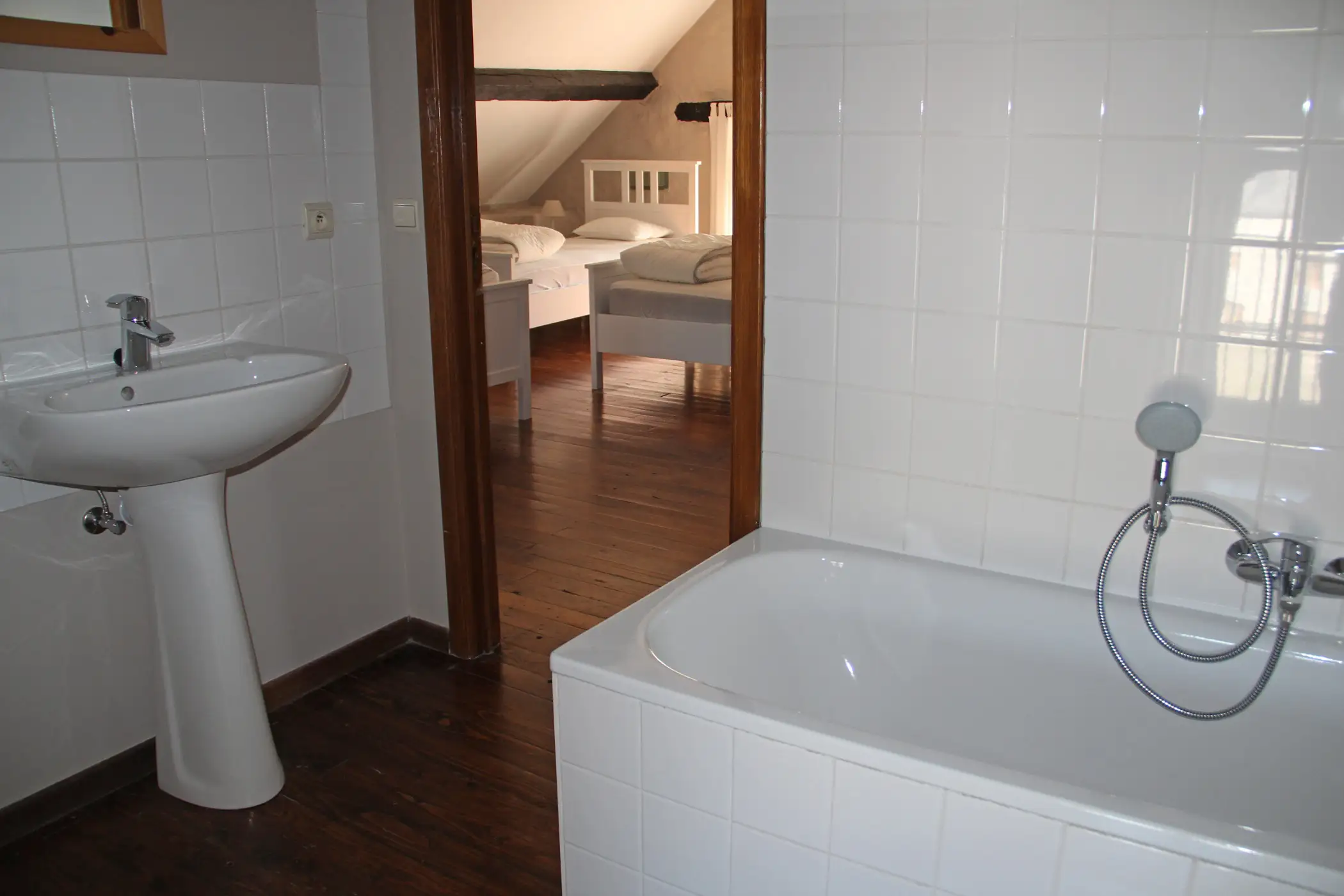
5 bathrooms


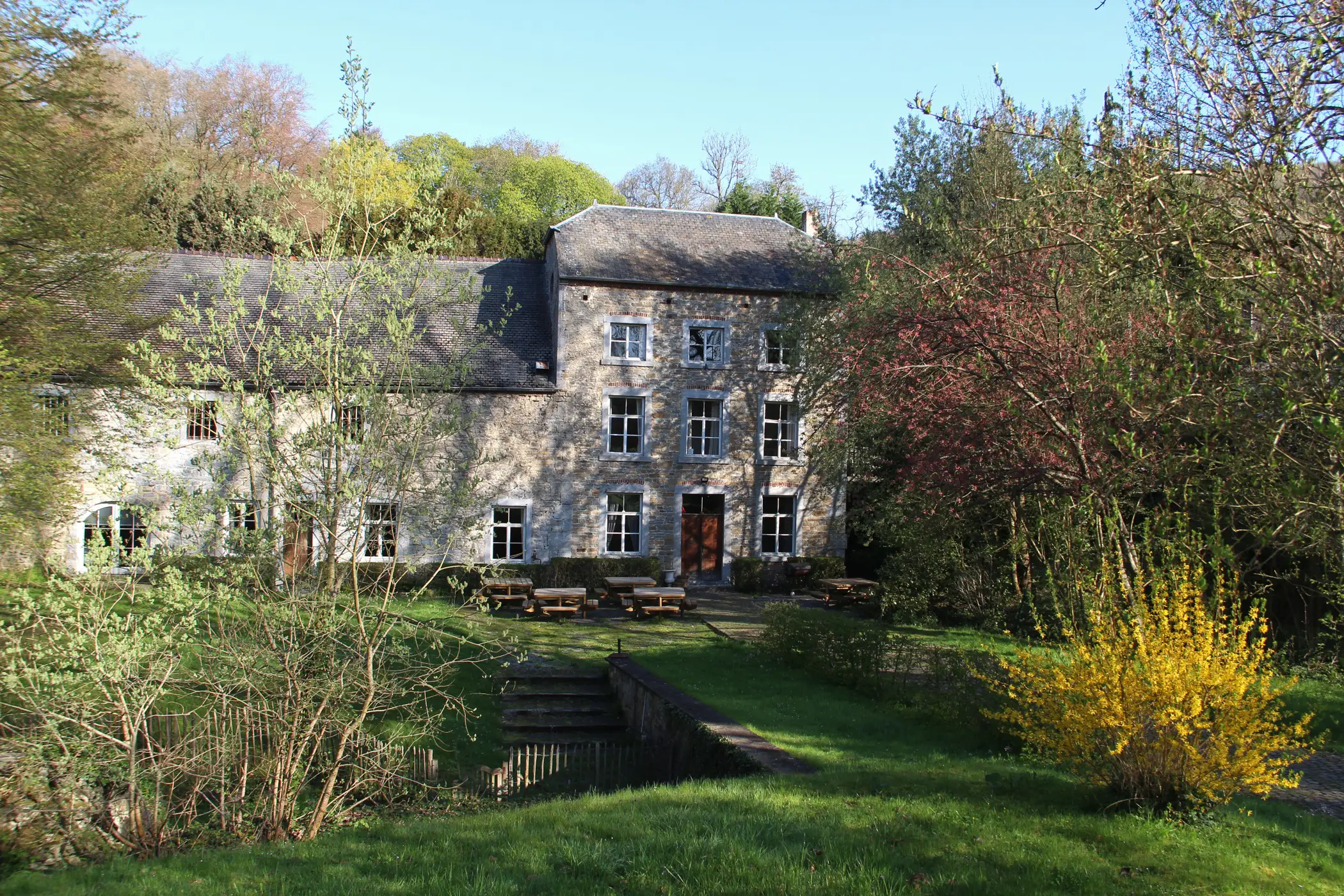
This historic building is tucked away in the heart of the water gardens in the Annevoie Estate. The mill is a separate holiday home with its own private garden.
During the 2nd half of the 17th century, many small scale industries spawned along the Rouillon tributary as well in the Meuse Valley which included forges, foundries, mills, and more.
From this period, the Neuf Fourneau Mill was built in 1647 and the Aminte Forge was completed in 1669. The current mill is the only surviving original structure from this time.
It was not until 1750 that Charles de Montpellier expanded his castle and started to create his own water and landscaped gardens.
For the fountains and waterfalls, he used water from four natural sources from the village and from the Rouillon stream.
The hydraulic system was so far ahead of its time as it worked without any machines or pumps to make the fountain and waterfalls work.
All the water comes like a miracle in the form of the waterfall in the garden of the Aminte Forge.
The Dutch General Howen made a painting of the Aminte in 1820. Belgium was part of the Dutch Kingdom at the time.
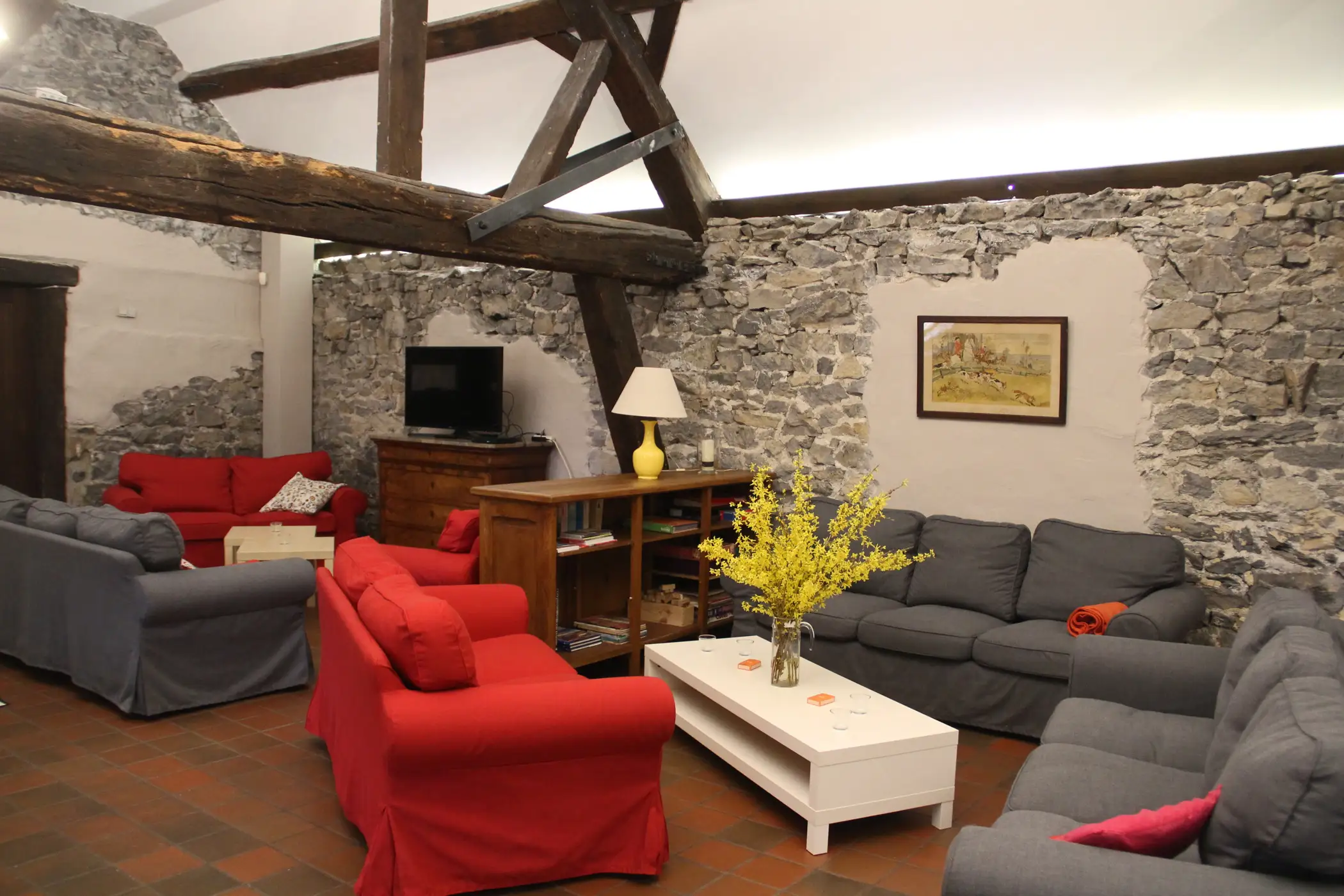
You can find a copy of this painting at the Mill of Annevoie Gardens.
The main activity of the forge was making cast iron street lamps.
In 1855, the Forge Aminte was renamed the Debras Mill due to the change of ownership by the Debras family. The forge stopped its activity to make way for the production of flour.
These activities continued well into 1954 but since then, all the buildings have been practically destroyed except for the beautiful mill with its watermill. In the house, a restaurant was born under the name of “Le Blute-Fin”. The name Blute-fin comes from the French verb bluter which means sifting flour for the separation from bran. After 1980, the restaurant changed its name to the “Moulin d’Henriette”.
Since 2001, the residence has been used as a holiday home.
Anhée (Annevoie)
?
/night
+ additional fees
Price from
?
/night
With us, no booking fees